

مكتبة الفيديوهات التعليمية
تثقيف المريض مفتاح نجاح العلاج. استكشف شرح د. زيدان للحالات الشائعة والإجراءات الجراحية وما يمكن توقعه خلال رحلتك الجراحية.
تجارب المرضى
تجربة مريض: إصلاح الفتق الإربي في الناحيتين بالمنظار | Patient Story: Laparoscopic Bilateral Inguinal Hernia Repair
مريض بيحكي تجربته مع فتق إربي في الناحيتين (Bilateral inguinal hernia)، بعد ما زار دكاترة كتير واتشخّص أكتر من تشخيص، لحد ما د. محمد حسام زيدان شخّص الفتق في الجنبين وقرر إصلاحه بالمنظار وتركيب شبكة. بيحكي إنه ما حسّش بألم بعد العملية ومشي في نفس ليلتها، وإن كل اللي في بطنه 3 فتحات صغيرة. وبعد 3 أسابيع رجع لحياته زي الأول وأحسن، وبيشكر الفريق على المتابعة. | A patient describes his bilateral inguinal hernia: he saw several doctors and was given different diagnoses before Dr. Mohamed H. Zidan diagnosed hernias on both sides and recommended laparoscopic repair with mesh. He felt no pain after the operation, walked the same night, and has only three small marks on his abdomen. Three weeks later he is back to normal, and better, and thanks the team for their follow-up.
تجربة مريض: الخوف قبل عملية الفتق الإربي | Patient Story: Fear Before Inguinal Hernia Surgery
مريض بيحكي إن أكبر حاجة بتأخّر الإنسان عن العلاج هي الخوف والتردد. بعد معاناة 3 شهور مع ألم ما كانش عارف سببه، د. محمد حسام زيدان شخّص عنده فتق إربي (Inguinal hernia)، وبعد التحاليل اتعملت العملية بنجاح. وبيوجّه كلامه للمرضى اللي خايفين أو مترددين يعملوا العملية، وبيقول إنه بعد العملية «زي الفل». | A patient explains that fear and hesitation are what most often delay treatment. After three months of pain he couldn't explain, Dr. Mohamed H. Zidan diagnosed an inguinal hernia, and after the necessary tests the operation was performed successfully. He speaks to patients who are afraid or hesitant about surgery and says he is doing great after the operation.
تجربة أستاذ عماد: الفرق بين جراحة الفتق المفتوحة والمنظار | Patient Story: Open vs. Laparoscopic Hernia Repair, Mr. Emad's Experience
أستاذ عماد عمل إصلاح فتق إربي بالجراحة المفتوحة في الجنب الأيمن من حوالي 15 لـ 20 سنة، ولما ظهر له فتق مشابه في الجنب الأيسر اتصلّح بالمنظار مع د. محمد حسام زيدان. بيقارن بين التجربتين: بعد الجراحة المفتوحة قعد حوالي 3 أسابيع مش قادر يحط رجله على الأرض، أما بعد المنظار حرّك رجله خلال 3 أيام ورجع شغله بعد 10 أيام. وفي الشهر التالت ما عندوش أي مشاكل أو أعراض جانبية، وبيذكر إن إجراءات الموافقة مع المستشفى خلصت بسرعة. | Mr. Emad had open repair of a right inguinal hernia 15 to 20 years ago, and when a similar hernia appeared on the left side, Dr. Mohamed H. Zidan repaired it laparoscopically. He compares the two: after open surgery he spent about three weeks unable to put his foot on the ground, while after laparoscopy he was moving his leg within three days and back at work after ten days. Three months on he has no problems or side effects, and he notes that the hospital approval process was quick.
تجربة مريض: إيه اللي تتوقعه في استشارة الفتق؟ | Patient Story: What to Expect at a Hernia Consultation
مريض بيحكي تجربته مع استشارة الفتق (Hernia consultation) عند د. محمد حسام زيدان: الاستشارة خدت حوالي 30 لـ 40 دقيقة، والدكتور شرح بالتفصيل يعني إيه فتق وبيحصل إزاي، وخيارات العلاج، والعملية نفسها، وفترة التعافي، واستخدم فيديوهات توضيحية ساعدته يفهم ويتخيل. وبيقول إنه جاوب على كل أسئلته من غير استعجال، وخرج من الاستشارة مطمّن أكتر. | A patient describes his hernia consultation with Dr. Mohamed H. Zidan: it lasted about 30 to 40 minutes, and the doctor explained in detail what a hernia is, how it develops, the treatment options, the operation itself and the recovery period, using short videos that helped him understand and picture it. He says every question was answered without any rush, and he left the consultation feeling much more reassured.
تجربة مريض: ناحية بالجراحة المفتوحة وناحية بالمنظار | Patient Story: Open Repair on One Side, Laparoscopic on the Other
مريض عمل إصلاح فتق إربي في ناحية بالجراحة المفتوحة، وبعد حوالي سنتين ظهر له فتق في الناحية التانية واتصلّح بالمنظار مع د. محمد حسام زيدان، فبيقارن بين التجربتين بنفسه. بعد الجراحة المفتوحة قعد حوالي شهر ونص خايف يحرّك رجله، وصلّى على كرسي 3 شهور، ولسه بيشتكي من ألم في الناحية القديمة. أما بعد المنظار، ما حسّش بألم غير من البلاستر، وصلّى واقف تاني يوم، وروّح من المستشفى ماشي، وما عندوش أي شكوى في الناحية الجديدة. | A patient who had open repair of an inguinal hernia on one side, and about two years later laparoscopic repair of a hernia on the other side by Dr. Mohamed H. Zidan, compares the two from his own experience. After open surgery he spent about six weeks afraid to move his leg, prayed sitting on a chair for three months, and still has pain on that side. After laparoscopy he felt no pain apart from the dressing tape, prayed standing the next day, walked out of the hospital, and has no complaints on the new side.
تجربة رياضي مع إصلاح الفتق الإربي بالمنظار | Patient Story: An Athlete's Recovery After Laparoscopic TAPP Inguinal Hernia Repair
أستاذ عمرو عبد الهادي، بيلعب كورة وبيتمرّن فيتنس، افتكر الوجع في أسفل البطن شد عضلي، لحد ما دكتور الإصابات شك في فتق إربي (Inguinal hernia) والسونار أكّده. بيحكي إنه عرف إن التأخير ممكن يعمل مضاعفات، فدوّر على جراح متخصص في المناظير بيستخدم شبكات موثوقة، واتعمل له إصلاح بالمنظار (TAPP) بالشبكة ثلاثية الأبعاد مع د. محمد حسام زيدان في خلال أسبوع. وبعد العملية ما عندوش أي مضاعفات، وجروح المنظار بعد ما التأمت تكاد ما تتشافش. | Mr. Amr Abdel Hady, who plays football and trains at the gym, thought the pain in his lower abdomen was a muscle strain until a sports-injury doctor suspected an inguinal hernia, confirmed on ultrasound. Learning that delay can lead to complications, he looked for a consultant specializing in laparoscopic surgery who uses reliable mesh, and within a week had laparoscopic TAPP repair with a 3D mesh by Dr. Mohamed H. Zidan. He has had no complications, and the healed laparoscopic scars are barely visible.
مرضى من خارج الإسكندرية أو مصر: إزاي تحجز استشارة وعملية | Traveling for Surgery: Patients From Outside Alexandria or Egypt
لو عايش خارج الإسكندرية أو خارج مصر، تقدر تعمل الاستشارة والعملية مع د. محمد حسام زيدان بخطوات واضحة من أول استشارة أونلاين لحد المتابعة بعد العملية. الرحلة بتبدأ باستشارة أونلاين بيسمع فيها تاريخك المرضي ويطلب الفحوصات، والفريق بيتابع معاك النتايج خطوة بخطوة. لما يتحدد ميعاد العملية، بتتوفّر لك وسيلة انتقال من محافظتك أو من المطار للمستشفى، وأول ما توصل بيتعمل لك تقييم كامل قبل أي تدخل جراحي. وبعد العملية فيه يوم رعاية إضافي في المستشفى لزيادة الأمان، وبعدها توصيلك لبيتك، والمتابعة بتكمل أونلاين. | If you live outside Alexandria or outside Egypt, you can have your consultation and surgery with Dr. Mohamed H. Zidan through a clear, step-by-step process. It starts with an online consultation in which he reviews your medical history and orders tests, and the team follows up the results with you. Once the operation is scheduled, transport is arranged from your governorate or the airport to the hospital, and on arrival you have a full reassessment before any surgery. After the operation there is an extra day of hospital care for added safety, transport home, and online follow-up afterward.

تجربة مريض: إصلاح الفتق بالمنظار بالشبكة التشريحية | Patient Story: Laparoscopic Hernia Repair with Anatomical Mesh
تجربة أستاذ إبراهيم مع إصلاح الفتق بالمنظار باستخدام الشبكة التشريحية ثلاثية الأبعاد (3D Anatomical Mesh)، بعد 3 شهور من العملية. بيحكي مع د. محمد حسام زيدان إنها كانت أول مرة يعمل عملية بالمنظار وكان متوقع جراحة فتح، وإن العملية عدّت زي «شكّة إبرة»، وما حسّش بوجع بعدها ولا أي حاجة ضايقته، لدرجة إنه وصف النتيجة بإنها «سحر». | Mr. Ibrahim shares his experience three months after laparoscopic hernia repair with a 3D anatomical mesh. Talking with Dr. Mohamed H. Zidan, he explains that it was his first laparoscopic operation and he had expected open surgery, that the operation felt like "a needle prick," and that he had no pain or discomfort afterward, describing the result as "magic."

تجربة مريض: علاج الفتق الإربي بالمنظار والشبكة ثلاثية الأبعاد | Patient Story: Inguinal Hernia Repair with Laparoscopy and 3D Mesh
أستاذ مصطفى محمد بيحكي تجربته مع الفتق الإربي (Inguinal hernia) اللي كان مسبّب له صعوبة في الحركة والمشي ومغص وتقلّصات شديدة بتصحّيه من النوم، وإصلاحه بالمنظار والشبكة ثلاثية الأبعاد (3D Mesh) مع د. محمد حسام زيدان. بيحكي إنه عمل الكشف والتحاليل وبعدها اتحدد ميعاد العملية، وإنه كان خايف بس العملية عدّت أبسط مما تخيّل، وروّح بعدها على طول. وبعد شهر رجع لحياته الطبيعية وبيصلّي وبيتحرك من غير مشاكل. | Mr. Mostafa Mohamed describes his inguinal hernia, which made walking and moving difficult and caused severe cramps that woke him at night, and its laparoscopic repair with a 3D mesh by Dr. Mohamed H. Zidan. After his consultation and tests, the operation was scheduled. He was afraid beforehand, but it went more easily than he expected and he went home soon afterward. A month later he is back to his normal life, praying and moving without any problems.

تجربة مريض: إصلاح الفتق الإربي الأيمن بالمنظار | Patient Story: Laparoscopic Right Inguinal Hernia Repair
مريض بيحكي تجربته مع فتق إربي أيمن فضل يعاني منه أكتر من 3 سنين، لحد ما اتصلّح بالمنظار مع د. محمد حسام زيدان في مستشفى سيتي بالإسكندرية. بيقول إنه التزم بتعليمات ما بعد العملية وما حسّش بأي ألم، وإنه بعد أكتر من 8 أيام من العملية صحته «عشرة على عشرة». | A patient shares his experience with a right inguinal hernia he lived with for more than three years before having it repaired laparoscopically by Dr. Mohamed H. Zidan at City Hospital in Alexandria. He says he followed the post-operative instructions, felt no pain, and more than eight days after the operation rates his health "ten out of ten."
جراحات السمنة
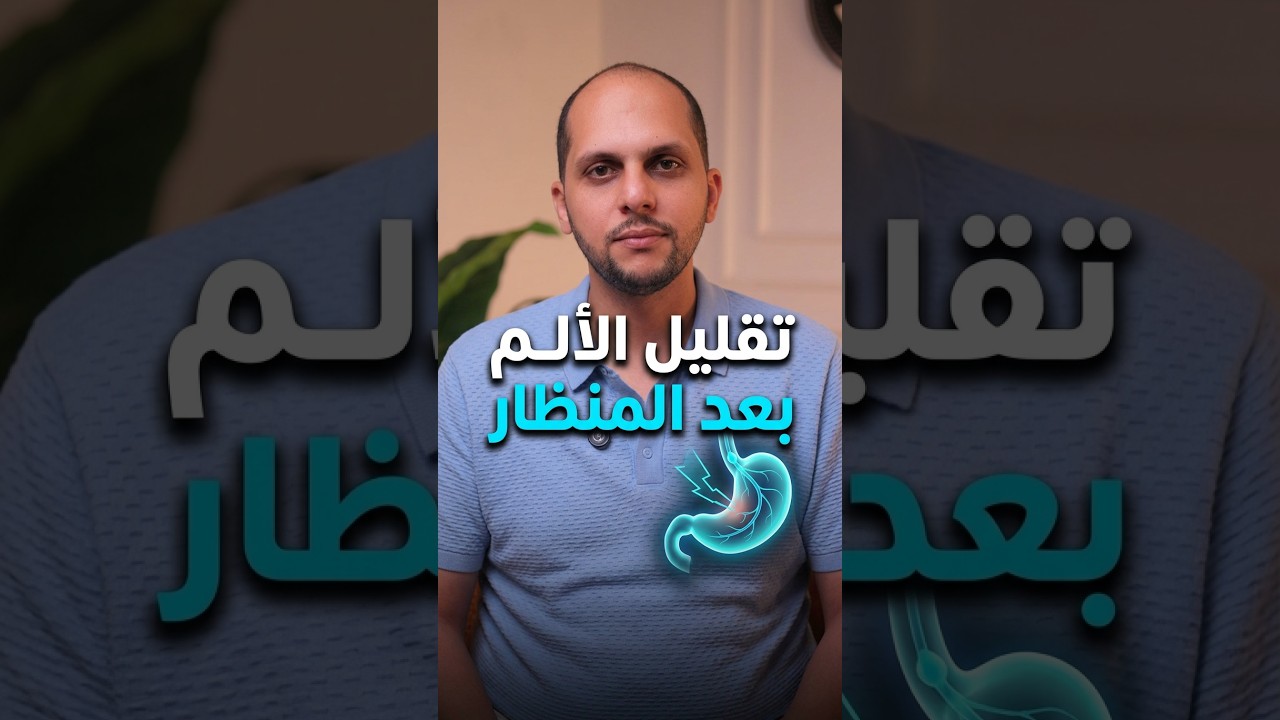
الباراجاستريك بلوك لتقليل الألم بعد تكميم المعدة | Paragastric Block: Less Pain After Sleeve Gastrectomy and Upper GI Surgery
الباراجاستريك بلوك (Paragastric block) تقنية حديثة لتقليل الألم بعد عمليات المنظار زي تكميم المعدة وإصلاح فتق الحجاب الحاجز واستئصال المرارة. د. محمد حسام زيدان بيشرح إن الجراح بيحقن مادة مخدرة بالمنظار عند فروع العصب العاشر (العصب الحائر) حوالين المعدة، عشان يقلل الألم الحشوي اللي صعب التحكم فيه بالمسكنات العادية واللي بيرتبط بالغثيان والقيء بعد الإفاقة. وبيذكر إن الدراسات بيّنت إنه بيقلل الألم بشكل ملحوظ مقارنة بالمسكنات العادية في أول 8 لـ 14 ساعة، ودي أكتر فترة فيها ألم بعد العملية. | The paragastric block is a modern technique for reducing pain after laparoscopic operations such as sleeve gastrectomy, hiatal hernia repair and gallbladder removal. Dr. Mohamed H. Zidan explains that local anesthetic is injected laparoscopically around the branches of the vagus nerve near the stomach to reduce visceral pain, the deep internal pain that is hard to control with standard painkillers and is linked to nausea and vomiting after waking up. He cites studies showing a marked reduction in pain compared with standard painkillers over the first 8 to 14 hours, the most painful period after surgery.
إبر التخسيس (GLP-1) ولا جراحات السمنة؟ الاختيار حسب حالتك | Ozempic and Mounjaro vs. Bariatric Surgery: Which Is Right for You?
إبر الـ GLP-1 زي الساكسندا والمونجارو والأوزمبيك بقت من أشهر طرق نزول الوزن، لكن الاختيار بينها وبين جراحات السمنة (Bariatric surgery) لازم يكون بتقييم جراح السمنة. د. محمد حسام زيدان بيوضح بأمثلة: مريض كتلة جسمه 40 ومعاه أمراض مصاحبة زي الضغط أو السكر، الأفضل له غالبًا عملية زي تكميم المعدة أو تحويل المسار، أما مريض كتلة جسمه من 30 لـ 33 ومن غير أمراض مصاحبة فممكن تناسبه أدوية الـ GLP-1. والقرار في الآخر بيعتمد على تقييم كل مريض. | GLP-1-based injections such as Saxenda, Mounjaro and Ozempic have become one of the most popular ways to lose weight, but choosing between them and bariatric surgery should be done with a bariatric surgeon's assessment. Dr. Mohamed H. Zidan gives examples: a patient with a BMI of 40 and obesity-related conditions such as high blood pressure or diabetes is usually better served by an operation such as sleeve gastrectomy or gastric bypass, while a patient with a BMI of 30 to 33 and no related conditions may be suited to GLP-1 medication. In the end, the decision depends on each patient's assessment.

بالون المعدة 2.0 مع أدوية التخسيس: نزول وزن بدون جراحة | Balloon 2.0: Gastric Balloon Plus GLP-1 Medication
بالون المعدة 2.0 (Gastric Balloon) هو الجمع بين بالون المعدة أو الكبسولة الذكية وأدوية التخسيس الحديثة (GLP-1) للوصول لنزول وزن أفضل من غير جراحة. د. محمد حسام زيدان بيوضح إن البالون لوحده بينزّل وزن أقل بكتير من جراحات السمنة، وإن أدوية زي Mounjaro وWegovy وOzempic وSaxenda غيّرت المعادلة: البالون بيصغّر مساحة المعدة فتشبع بأكل أقل، والدوا بيسد الشهية بتأثيره الهرموني، والدراسات الأولية بتشير إن الجمع بينهم بيدّي نتيجة أفضل من البالون لوحده. | Balloon 2.0 combines an intragastric balloon or swallowable capsule with modern GLP-1-based weight-loss medication to achieve better weight loss without surgery. Dr. Mohamed H. Zidan explains that a balloon on its own produces much less weight loss than bariatric surgery, and how medications such as Mounjaro, Wegovy, Ozempic and Saxenda have changed that: the balloon reduces stomach capacity so a small meal fills you up, while the medication suppresses appetite through its hormonal effect. Early studies suggest that together they give better results than the balloon alone.
جراحات الفتق
إمتى أعمل عملية الفتق؟ ليه الإصلاح بدري أفضل وتوقيتها بعد الولادة | When Should You Repair a Hernia? Why Early Repair Is Better, and Timing After Pregnancy
في الحلقة الثانية من بودكاست «مع د. محمد حسام زيدان»، د. محمد بيرد على جملة بنسمعها كتير في العيادة: «الفتق كده كده هيرجع، فخليني أستنى». بمثال الستارة بيوضح إن الخرم الصغير اللي بيتخيط بدري فرصة رجوعه أقل بكتير من خرم سيبناه يكبر، والفتق نفس الفكرة: كل ما اتصلح وهو صغير، بالشبكة المناسبة في الطبقة الصحيحة وبعد الاحتياطات زي إنقاص الوزن، كل ما فرصة رجوعه قلت. وبالنسبة للفتق بعد الولادة، الأبحاث مختلفة في التوقيت (6 شهور، سنة، أو سنة ونص)، ود. زيدان بيفضل الانتظار من سنة لسنة ونص بعد الولادة. | In the second episode of the podcast "With Dr. Mohamed H. Zidan", Dr. Zidan answers something patients often say in clinic: "The hernia will come back anyway, so I'll wait." Using a curtain analogy, he explains that a small hole stitched early is far less likely to tear again than one left to grow, and a hernia is no different: the earlier it is repaired, with the right mesh in the right layer and precautions such as weight loss, the lower the chance it comes back. On hernia after pregnancy, studies differ on timing (6 months, 1 year or 18 months), and Dr. Zidan prefers to wait one to one and a half years after delivery.
عملية الفتق: منظار ولا جراحة مفتوحة؟ الألم والتعافي واختيار التقنية المناسبة | Hernia Surgery: Laparoscopic or Open? Recovery, Pain and Choosing the Right Repair
في أول حلقة من بودكاست «مع د. محمد حسام زيدان»، د. محمد بيرد على سؤال: إصلاح الفتق بالمنظار ولا بالجراحة المفتوحة؟ بيوضح إن المنظار مش الأسلوب الصح الوحيد، لكنه الاختيار المفضّل لأغلب المرضى لأنه بجروح أصغر وألم أقل ورجوع أسرع للحياة الطبيعية، وإن الجراحة المفتوحة بتفضل الأنسب لبعض المرضى، زي اللي حالتهم ما تسمحش بالتخدير الكلي. وبيشرح إن الألم بعد العملية بيعتمد على 3 حاجات: طبيعة المريض نفسه، وطريقة الجراح ودقة حركته أثناء العملية، والأدوات المستخدمة، زي الشبكة ثلاثية الأبعاد اللي بتقلل الحاجة للدبابيس والغرز. | In the first episode of the podcast "With Dr. Mohamed H. Zidan", Dr. Zidan answers a common question: should a hernia be repaired laparoscopically or with open surgery? He explains that laparoscopy is not the only right approach, but it is preferred for most patients because of smaller incisions, less pain and a faster return to normal life, while open surgery remains the better choice for some patients, such as those who cannot safely have general anesthesia. He also explains that pain after surgery depends on three things: the patient, the surgeon's technique and precision during the operation, and the tools used, such as 3D anatomical mesh that reduces the need for tackers and stitches.
الفتق بعد الولادة: نصلّحه دلوقتي ولا نستنى؟ | Hernia After Pregnancy: Repair Now or Wait?
الفتق الصغير بعد الولادة (Postpartum hernia) غالبًا سببه الانفصال العضلي (Rectus diastasis) مع تكرار الحمل والسمنة. د. محمد حسام زيدان بيشرح إن الانفصال بين عضلتي البطن بيحصل طبيعي في الحمل وبيرجع خلال حوالي سنة ونص، لكن لو حصل حمل تاني قبل كده بيستمر وممكن يعمل فتق. وبينصح إن إصلاح الفتق أو الانفصال العضلي يتعمل بعد سنة ونص على الأقل من آخر ولادة، وإن المريضة ما تخططش لحمل لمدة سنة ونص بعد العملية، لأن الحمل المبكر بيزوّد فرصة رجوع الفتق. | A small hernia after childbirth is often caused by rectus diastasis, the separation of the abdominal muscles, together with repeated pregnancies and excess weight. Dr. Mohamed H. Zidan explains that the muscles normally separate during pregnancy and come back together within about 18 months, but another pregnancy before then keeps them apart and can lead to a hernia. He advises repairing the hernia or diastasis at least 18 months after the last delivery, and avoiding pregnancy for 18 months after surgery, because an early pregnancy raises the risk of recurrence.
علامات الفتق المختنق: إمتى تروح الطوارئ فورًا؟ | Strangulated Hernia Warning Signs: When to Seek Emergency Care
الفتق المختنق (Strangulated hernia) حالة طارئة بتحصل لما جزء من الأمعاء يتحبس جوه الفتق ويتقطع عنه الدم والأكسجين. د. محمد حسام زيدان بيشرح علاماته: الفتق اللي كان بيرجع مكانه فجأة يبقى مؤلم ومتورم وما يرجعش، خصوصًا لو معاه قيء أو ألم شديد. وبيحذّر من انتظار إن الألم يهدى أو محاولة إرجاع الفتق في البيت أو تأجيل الكشف، لأن التأخير بيزوّد خطر تلف الأمعاء. وبيوضح إن الجراح بيفك الاختناق ويطمّن على الأمعاء ويصلّح الفتق، وإن مش كل فتق بيتحول لاختناق. | A strangulated hernia is an emergency that happens when part of the bowel becomes trapped inside a hernia and its blood and oxygen supply is cut off. Dr. Mohamed H. Zidan explains the warning signs: a hernia that used to go back in suddenly becomes painful, swollen and won't go back, especially with vomiting or severe pain. He warns against waiting for the pain to settle, trying to push the hernia back yourself or postponing assessment, because delay increases the risk of bowel damage. The surgeon relieves the strangulation, checks the bowel and repairs the hernia. Not every hernia becomes strangulated, but these signs need urgent care.
مشهد أحمد داش والفتق: هل الأعشاب بتعالج الفتق؟ | Ahmed Dash's Hernia Scene: Can Herbs Treat a Hernia?
انطلاقًا من مشهد درامي للفنان أحمد داش عن شاب عنده فتق رافض يتعالج وأهله خايفين من العملية، د. محمد حسام زيدان بيصحّح مفاهيم منتشرة عن الفتق (Hernia). بيوضح إن تأجيل العلاج مع الحركة والمجهود بيخلّي الفتق يكبر ومشكلته تزيد، وإن الخوف من ألم الجراحة التقليدية مش في محله مع تطور المنظار والشبكات المناسبة، فالألم بقى أقل بكتير والمريض بيرجع لحياته بسرعة. وبيأكد إن مفيش أعشاب ولا أدوية ولا حزام بطن بيعالج الفتق، والعلاج الوحيد هو الإصلاح الجراحي. | Starting from a TV drama scene with actor Ahmed Dash, about a young man who refuses treatment for his hernia while his family fears surgery, Dr. Mohamed H. Zidan corrects common hernia myths. He explains that delaying treatment while staying active lets the hernia grow and worsen, and that fear of pain from old-style open surgery is outdated: with laparoscopy and the right mesh, pain is much lower and recovery is fast. He stresses that no herbs, medication or abdominal belt can treat a hernia; the only treatment is surgical repair.
إصلاح الفتق السري بعملية eTEP: الشبكة ورا العضلات | eTEP Ventral Hernia Repair: Retromuscular Mesh Placement
عملية الـ eTEP من أنسب العمليات لمعظم حالات الفتق السُري والجار سُري (Umbilical hernia). د. محمد حسام زيدان بيشرح إن المنظار بيشتغل جوه جدار البطن نفسه، مش جوه تجويف البطن زي عمليات الـ TAPP والـ IPOM+، فبيصلّح جدار البطن والفتق ويحط الشبكة ورا العضلات، وميزتها إن ضغط البطن بيثبّت الشبكة أكتر. وبيذكر دراسة مجمّعة على 860 مريض قارنت eTEP بالـ IPOM+: ألم أقل، وإقامة أقصر في المستشفى، وشكل تجميلي أفضل، ومعدل رجوع 1.8% وتجمّع مائي 0.7%. وعشان كده السؤال الصح مش «بكام؟» لكن «إيه أنسب عملية ليّا؟». | eTEP is one of the most suitable operations for most umbilical and paraumbilical hernias. Dr. Mohamed H. Zidan explains that the laparoscope works within the abdominal wall itself rather than inside the abdominal cavity, as in TAPP or IPOM+, so the surgeon repairs the abdominal wall and the hernia and places the mesh behind the muscles. A key advantage is that rising abdominal pressure holds the mesh more firmly in place. He cites a pooled analysis of 860 patients comparing eTEP with IPOM+: less pain, a shorter hospital stay, a better cosmetic result, a recurrence rate of 1.8% and a seroma rate of 0.7%. That's why the right question isn't "How much?" but "Which operation suits me best?"
عملية SCOLA لعلاج الانفصال العضلي والفتق السري من جروح البكيني | SCOLA for Rectus Diastasis and Umbilical Hernia Repair
عملية الـ SCOLA، أو الإصلاح من جروح البكيني، بتصلّح الفتق السُري والانفصال العضلي (Rectus diastasis) من 3 فتحات صغيرة على خط البكيني، أكبرها حوالي 1.5 سم. د. محمد حسام زيدان بيشرح إنها غالبًا بتناسب الست بعد الولادة اللي ما عندهاش زيادة في الوزن، وعندها فتق صغير وانفصال في العضلات. وبيذكر تحليل لـ 12 دراسة على 480 مريض بيّن إن نسبة رجوع الفتق قريبة من باقي العمليات لنفس حجم الفتق، ونسبة رضا المرضى 93%، بشرط إن كتلة الجسم (BMI) أقل من 28 وحجم الفتق والانفصال مناسب. | SCOLA, repair through bikini-line incisions, treats umbilical hernias and rectus diastasis through three small incisions along the bikini line, the largest about 1.5 cm. Dr. Mohamed H. Zidan explains that it usually suits women after childbirth who are not overweight and have a small hernia with muscle separation. He cites an analysis of 12 studies and 480 patients showing recurrence similar to other techniques for the same hernia size and 93% patient satisfaction, provided the BMI is below 28 and the hernia and diastasis are within the right size range.
الفتق الصغير: عملية Ventral TAPP مقابل IPOM | Ventral TAPP vs. IPOM: Repairing Small Ventral Hernias
في الفتق الصغير، عملية الـ Ventral TAPP من أسهل وأفضل طرق الإصلاح بالمنظار لمرضى كتير. د. محمد حسام زيدان بيشرح إنها بتشبه الـ IPOM+ في إن المنظار بيدخل تجويف البطن، لكن الجراح بيفتح طبقة الغشاء البريتوني ويحط الشبكة تحتها، فما بيبقاش فيه تلامس بين الشبكة والأمعاء، وده بيقلل الالتصاقات وبيسمح باستخدام شبكة أرخص، مع إصلاح جدار البطن نفسه. وبيذكر تحليل لـ 8 دراسات على فتق أقل من 4 سم: نسبة الرجوع 13.9% مع TAPP مقابل 23.9% مع IPOM+، وبيوضح إنها بتتختار للمريض اللي ما عندوش زيادة في الوزن. | For small ventral hernias, ventral TAPP is one of the simplest and best laparoscopic repairs for many patients. Dr. Mohamed H. Zidan explains that, like IPOM+, the laparoscope enters the abdominal cavity, but the surgeon opens the peritoneal layer and places the mesh beneath it, so the mesh does not touch the bowel. This reduces adhesions and allows a much cheaper mesh, while the abdominal wall itself is also repaired. He cites a pooled analysis of eight studies on hernias under 4 cm: recurrence of 13.9% with ventral TAPP versus 23.9% with IPOM+. He notes that this operation is chosen for patients who are not overweight.
عملية IPOM+ لإصلاح فتق جدار البطن: إمتى بنستخدمها؟ | IPOM+ Ventral Hernia Repair: When Is It Used?
عملية الـ IPOM+ (Intraperitoneal Onlay Mesh Plus) من أشهر طرق إصلاح فتق جدار البطن بالمنظار. د. محمد حسام زيدان بيحكي إن إصلاح الفتق بالمنظار بدأ سنة 1993 بعملية الـ IPOM، وهي وضع شبكة جوه تجويف البطن، لكن نسبة الرجوع كانت عالية شوية، فاتطوّرت الـ IPOM+ اللي بيتصلّح فيها جدار البطن قبل وضع الشبكة، وده نزّل نسبة الرجوع لحوالي 2.7%. وبيوضح إن الإرشادات الأوروبية بتفضّل للفتق الأقل من 4 سم إن الشبكة تتحط خارج تجويف البطن، عشان كده الـ IPOM+ مناسبة للفتق من 4 لـ 10 سم، والفتق الجراحي، وفتق جدار البطن المعقّد. | IPOM+ (intraperitoneal onlay mesh plus) is one of the best-known laparoscopic repairs for ventral hernias. Dr. Mohamed H. Zidan explains that laparoscopic hernia repair began in 1993 with IPOM, in which a mesh is placed inside the abdominal cavity, but recurrence was relatively high, so surgeons developed IPOM+, which closes the abdominal wall defect before placing the mesh and lowered recurrence to about 2.7%. European guidelines favor placing the mesh outside the abdominal cavity for hernias smaller than 4 cm, because an intra-abdominal mesh exposes the bowel to unnecessary mesh and the tackers used to fix it add pain. IPOM+ is therefore suited to hernias of 4 to 10 cm, incisional hernias and complex abdominal wall hernias.
الفتق السري بكام؟ ليه نسب رجوع الفتق بتختلف حسب العملية | Ventral Hernia Repair: Why Recurrence Rates Differ
أكتر سؤال بيتسأل عن الفتق السُري (Umbilical hernia): «بكام؟». د. محمد حسام زيدان بيوضح إن الفتق السُري والجار سُري منتشر، فواحد من كل 5 بالغين ممكن ييجي له، وتلاتة من كل 10 بعد عمليات بطن قديمة، وإن المشكلة الحقيقية إن الدراسات بتقول إن الفتق بيرجع عند حوالي 14% خلال 5 سنين بعد الإصلاح. وبيشرح إن فيه 5 عمليات مختلفة بالمنظار، منها IPOM+ وVentral TAPP وSCOLA والميلا، وكل واحدة بتناسب حالة حسب حجم الفتق ووزن الجسم وجودة الجلد ووجود انفصال عضلي، وإن اختيار العملية والشبكة المناسبة ممكن يقلل الرجوع من 14% لحوالي 2%. | The most common question about umbilical hernias is "How much does it cost?" Dr. Mohamed H. Zidan explains that umbilical and paraumbilical hernias are common, affecting about one in five adults and three in ten people after previous abdominal operations, and that the real problem is recurrence: studies report that about 14% of hernias come back within five years of repair. There are five different laparoscopic operations, including IPOM+, ventral TAPP, SCOLA and MILA, each suited to different patients depending on hernia size, body weight, skin quality and muscle separation. Choosing the right operation and mesh can reduce recurrence from 14% to about 2%.
إصلاح الفتق السري: السر مش في العملية نفسها | It's Not About the Surgery: The Secret to Umbilical Hernia Repair
مقدمة قصيرة لسلسلة د. محمد حسام زيدان، استشاري جراحات الجهاز الهضمي وجدار البطن، عن الفتق السُري (Umbilical hernia) وطرق إصلاحه بالمنظار. بتجمع لقطات من حلقات السلسلة عن ليه الفتق بيرجع، وإزاي بنختار أنسب عملية لكل مريض، والعمليات التجميلية من جروح البكيني، وسؤال «الفتق السري بكام؟»، والرسالة الأساسية إن السبب الحقيقي لنجاح الإصلاح هو اختيار العملية المناسبة. | A short trailer for Dr. Mohamed H. Zidan's series on umbilical hernias and their laparoscopic repair. It brings together clips from the series on why hernias come back, how the best operation is chosen for each patient, cosmetic bikini-line approaches and the question "How much does it cost?", with one core message: what makes a repair succeed is choosing the right operation.
إمتى ترجع للحياة الزوجية بعد عملية الفتق الإربي؟ | When Can You Resume Sexual Activity After Inguinal Hernia Surgery?
سؤال مرضى كتير بيفكروا فيه وبيتحرجوا يسألوه: إمتى أرجع للحياة الزوجية بعد عملية الفتق الإربي (Inguinal hernia)؟ د. محمد حسام زيدان بيجاوب: بعد الجراحة التقليدية بننصح بالرجوع بعد حوالي شهر، أما بعد المنظار فمن أسبوع لأسبوعين. وبيذكر إن الدراسات بيّنت إن الألم اللي بيأثر على الحياة الزوجية بعد الجراحة التقليدية بيوصل لحوالي 12.5%، وبينزل لحوالي 5.9% بعد المنظار، مع التأكيد إن التوقيت بيختلف من مريض للتاني والطبيب المعالج هو اللي بيحدده. | It's a question many patients think about but are embarrassed to ask: when can I resume sexual activity after inguinal hernia surgery? Dr. Mohamed H. Zidan explains that after open surgery he advises waiting about a month, while after laparoscopic repair it is usually one to two weeks. He cites studies in which pain affecting sexual activity reached about 12.5% after open repair and fell to about 5.9% after laparoscopy, and stresses that timing varies from patient to patient and should be agreed with your surgeon.
إمتى ترجع للشغل والرياضة والجيم بعد عملية الفتق الإربي؟ | When Can You Return to Work, Exercise and the Gym After Inguinal Hernia Surgery?
إمتى ترجع للشغل والرياضة بعد عملية الفتق الإربي (Inguinal hernia)؟ د. محمد حسام زيدان بيوضح إن بعد الجراحة التقليدية كانت النصيحة الرجوع للجيم بعد حوالي 6 شهور، لكن بعد الإصلاح بالمنظار الوضع اتغيّر: الحركة وطلوع ونزول السلم من نفس يوم العملية، والرجوع للشغل المكتبي من 3 لـ 5 أيام، والمشي السريع والسباحة بعد أسبوعين، والرياضة والجيم بعد 4 لـ 6 أسابيع. وبيذكر دراسة على 198 رياضي رجع منهم 94% لنشاطهم الكامل خلال 4 أسابيع، مع إن التوقيت بيختلف من مريض للتاني. | When can you return to work and sport after inguinal hernia surgery? Dr. Mohamed H. Zidan explains that after open surgery the advice used to be about six months before going back to the gym, but laparoscopic repair has changed that: walking and using stairs on the day of surgery, desk work and daily life within three to five days, brisk walking and swimming after two weeks, and sport and the gym after four to six weeks. He cites a study of 198 athletes in which 94% returned to full activity within four weeks, while noting that timing varies between patients.
إصلاح الفتق بالمنظار خطوة بخطوة: مش صعب ومش خطر | Laparoscopic Hernia Repair, Step by Step
إصلاح الفتق بالمنظار (Laparoscopic hernia repair) بيتعمل من فتحات صغيرة بدل الجرح الكبير، وفي الفيديو ده د. محمد حسام زيدان بيشرح خطواته لمريض خايف من العملية. بيوضح إن الفتق قطع أو ضعف في جدار البطن بيسمح للأنسجة إنها تبرز من مكانها الطبيعي. بالمنظار بنوصل لمكان الفتق بدقة، بنرجّع محتوى الفتق لمكانه، بنصلّح الأنسجة ونقوّي جدار البطن، وبعدين بندخّل الشبكة من نفس الفتحات الصغيرة ونحطها مكان الفتق. والنتيجة: ألم أقل ورجوع أسرع للحياة الطبيعية. | Laparoscopic hernia repair is done through small incisions instead of one large cut. In this video, Dr. Mohamed H. Zidan walks a patient who is afraid of surgery through the steps. A hernia is a tear or weakness in the abdominal wall that lets tissue push out of its normal place. With the laparoscope, the surgeon reaches the hernia precisely, returns its contents to their normal position, repairs the tissue and strengthens the abdominal wall, then inserts a mesh through the same small incisions and places it over the defect. The result is less pain and a faster return to normal life.
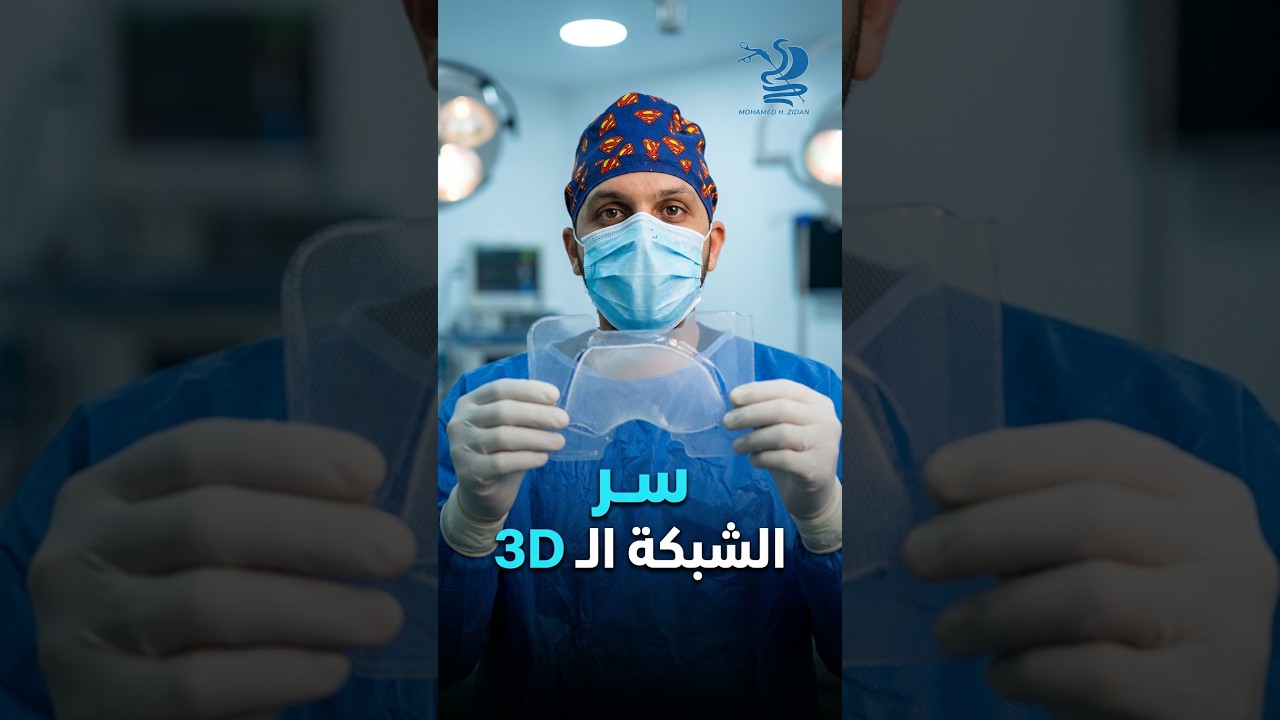
شبكة الفتق ثلاثية الأبعاد (3D Anatomical Mesh) للفتق الإربي | 3D Anatomical Mesh for Inguinal Hernia Repair
الشبكة ثلاثية الأبعاد (3D Anatomical Mesh) واخدة شكل التشريح الطبيعي للمنطقة الإربية، وبتتحط جاهزة في إصلاح الفتق الإربي بالمنظار. من غرفة العمليات، د. محمد حسام زيدان بيشرح الفرق بينها وبين الشبكات العادية: هي أغلى شوية، لكنها ما بتحتاجش دبابيس (tackers) للتثبيت فالألم بيبقى أقل، وأتقل في الوزن فاحتمال إنها تتحرك من مكانها أقل بكتير. وبيذكر إنها بتقلل نسبة رجوع الفتق، وأسهل في الوضع، وبتقصّر وقت العملية. | The 3D anatomical mesh is pre-shaped to the natural anatomy of the groin and is placed ready-formed during laparoscopic inguinal hernia repair. Filmed in the operating room, Dr. Mohamed H. Zidan explains how it differs from regular flat mesh: it costs a little more, but it needs no tackers for fixation, so there is less pain, and it is heavier, so it is much less likely to migrate. He adds that it lowers the recurrence rate, is easier to place and shortens the operation.
شكل الفتق من جوه الجسم وإزاي بيتعالج بالمنظار | What a Hernia Looks Like Inside the Body
الفتق (Hernia) بيحصل لما جدار البطن يضعف، فجزء من الأمعاء أو الدهون يخرج لبره ويعمل البروز اللي بتشوفه. د. محمد حسام زيدان بيوضّح بالصورة شكل الفتق الحقيقي جوه الجسم، وإن جدار البطن المفروض يكون قوي ومتماسك زي الحيطة عشان يحمي الأعضاء. وبيشرح إن الخطر الحقيقي إن الجزء اللي طالع يتزنق وما يقدرش يرجع مكانه، وإن المنظار بيرجّع كل حاجة لمكانها ويقوّي الجدار بشبكة، وبينصح ما تتجاهلش أي بروز غريب أو وجع. | A hernia happens when the abdominal wall weakens and part of the bowel or fat pushes out, creating the bulge you can see. Dr. Mohamed H. Zidan shows what a hernia really looks like inside the body and explains that the abdominal wall should be strong and firm, like a wall protecting your organs. The real danger is that the protruding part can become trapped and unable to return. Laparoscopic repair puts everything back in place and reinforces the wall with mesh. His advice: don't ignore any unusual bulge or pain.

الشبكة الغلط أكبر سبب لألم ما بعد عملية الفتق الإربي | Pain After Inguinal Hernia Surgery: Why the Mesh Matters
استخدام الشبكة الغلط من أكبر أسباب الألم بعد عملية الفتق الإربي (Inguinal hernia)، لأن الشبكة المسطحة (Flat mesh) بتحتاج تتثبّت بدبابيس (tackers). د. محمد حسام زيدان بيشرح إن الشبكة التشريحية ثلاثية الأبعاد (3D Anatomical Mesh) متصممة تاخد نفس شكل وتعرّجات المنطقة الإربية، فبتثبت من غير دبابيس، والنتيجة ثبات أفضل وألم أقل بكتير ونسبة أقل لرجوع الفتق. | Using the wrong mesh is one of the biggest causes of pain after inguinal hernia surgery, because flat mesh has to be fixed with tackers. Dr. Mohamed H. Zidan explains that the 3D anatomical mesh is engineered to match the exact shape and contours of the groin, so it stays in place without tackers. The result is better stability, much less pain and a lower chance of the hernia coming back.

4 مفاهيم خاطئة عن الفتق وجراحاته | 4 Common Misconceptions About Hernia Surgery
4 مفاهيم خاطئة منتشرة عن الفتق (Hernia) وجراحاته بيصحّحها د. محمد حسام زيدان: إن الفتق بيخف بالأدوية أو الحزام، وإن الفتق الصغير ممكن نستنى عليه، وإن شبكة الفتق بتعمل مشاكل، وإن الجراحة التقليدية أضمن من المنظار. بيوضح إن الفتق قطع تشريحي في العضلة ما بتعالجهوش الأدوية، وإن التأجيل ممكن يحوّل الحالة لطوارئ زي اختناق الأمعاء، وإن الشبكات الحديثة متصممة تندمج مع الأنسجة وتقلل رجوع الفتق، وإن المنظار بيدّي رؤية أدق وتعافي أسرع وألم أقل. | Dr. Mohamed H. Zidan corrects four common misconceptions about hernias and hernia surgery: that a hernia can heal with medication or a belt, that a small hernia can safely be left, that hernia mesh causes problems, and that open surgery is safer than laparoscopy. He explains that a hernia is an anatomical defect in the muscle that medication cannot fix, that delaying repair can turn it into an emergency such as bowel strangulation, that modern meshes are designed to integrate with the tissue and reduce recurrence, and that laparoscopy gives the surgeon a clearer view and the patient a faster recovery with less pain.

ليه الفتق بيرجع بعد العملية؟ وإصلاح الفتق المرتجع بالمنظار | Why Do Hernias Come Back? Recurrent Hernia Repair
الفتق المرتجع (Recurrent hernia) هو فتق بيرجع في نفس المكان بعد عملية إصلاحه، وده من أكتر الحاجات المحبطة للمريض. د. محمد حسام زيدان بيشرح إن السبب غالبًا الاعتماد على الجراحة المفتوحة اللي بتعمل شد على عضلات البطن، أو اختيار شبكة مش مناسبة لتشريح العضلات أو وضعها في الطبقة الغلط. وبيوضح إن المنظار بيسمح بإصلاح الضعف ووضع الشبكة في طبقة تشريحية أعمق ورا العضلات من غير شد، وده بيساعد على التعافي ويقلل فرصة رجوع الفتق، لأن الجراحة الصح من أول مرة هي الأساس. | A recurrent hernia is one that comes back in the same place after it has been repaired, one of the most frustrating experiences for a patient. Dr. Mohamed H. Zidan explains that it is often caused by open repairs that put tension on the abdominal muscles, or by choosing a mesh that doesn't suit the muscle anatomy or placing it in the wrong layer. Laparoscopy lets the surgeon repair the weakness and place the mesh in a deeper anatomical layer behind the muscles without tension, which supports recovery and lowers the chance of recurrence, because getting the operation right the first time is what matters most.

سعر عملية الفتق بالمنظار مقابل الجراحة التقليدية: هل الأرخص أفضل؟ | Laparoscopic vs. Open Hernia Repair: Is Cheaper Better?
سعر عملية الفتق مش هو التكلفة الحقيقية؛ التكلفة الحقيقية إنك تضطر تعمل العملية مرتين لو الفتق رجع. د. محمد حسام زيدان بيشرح إن رجوع الفتق بعد الإصلاح مش نادر زي ما الناس فاكرة، خصوصًا بعد الإصلاح المفتوح ومن غير شبكة، وإن اختيار طريقة الإصلاح قرار بيفرق في الرجوع والمضاعفات. وبيعرض 4 حاجات بتحدد الحل المناسب: نوع وحجم الفتق (إربي، سُري، أو جراحي)، سبب الفتق وعوامل رجوعه، طريقة الإصلاح المناسبة، ونوع الشبكة وطريقة تثبيتها. | The price of hernia surgery is not its real cost; the real cost is needing a second operation if the hernia comes back. Dr. Mohamed H. Zidan explains that recurrence after repair is more common than people think, especially after open repair and repair without mesh, and that choosing the repair method is a decision that affects recurrence and complications. He sets out four things that determine the right solution: the type and size of the hernia (inguinal, umbilical or incisional), its cause and risk factors for recurrence, the most suitable repair technique, and the choice of mesh and fixation method.

ليه المنظار بقى الاختيار المفضّل لإصلاح الفتق الإربي؟ | Why Laparoscopy Is Now Preferred for Inguinal Hernia Repair
إصلاح الفتق الإربي بالمنظار (Laparoscopic inguinal hernia repair) بقى الاختيار المفضّل في آخر تحديث لإرشادات جراحات الفتق الإربي العالمية (HerniaSurge) سنة 2023. د. محمد حسام زيدان بيوضح إن الكلام القديم إن مفيش إرشادات تدعم المنظار اتغيّر، لأن الألم بعد العملية بيقل والألم المزمن أقل بكتير، بشرط إن الجراح يكون عنده الخبرة. وبيشرح ليه مش كل الجراحين بيعملوه: منحنى تعلّم المنظار أطول بكتير من الجراحة المفتوحة. | Laparoscopic inguinal hernia repair became the preferred approach in the latest update of the international HerniaSurge guidelines in 2023. Dr. Mohamed H. Zidan explains that the old claim that no guidelines support laparoscopic repair is out of date: pain after surgery is lower and chronic pain is much less common, provided the surgeon has the necessary experience. He also explains why not every surgeon offers it: the learning curve for laparoscopic hernia repair is much longer than for open surgery.

خايف من عملية الفتق؟ مميزات إصلاح الفتق بالمنظار | Afraid of Hernia Surgery? The Benefits of Laparoscopic Repair
إصلاح الفتق بالمنظار (Laparoscopic hernia repair) بيتعمل من فتحات صغيرة بدل جرح كبير، وده بيفرق كتير مع المريض اللي خايف من العملية. د. محمد حسام زيدان بيشرح مميزاته: الألم بعد المنظار أقل بكتير، والألم المزمن أقل بكتير وده موثّق في الأبحاث، والرجوع للشغل بعد العملية بيبقى أسرع بكتير. | Laparoscopic hernia repair is done through small incisions instead of one large cut, which makes a real difference for patients who are afraid of surgery. Dr. Mohamed H. Zidan explains its benefits: much less pain after the operation, chronic pain that is much less common, as documented in research, and a much faster return to work.
الفتق الإربي ورمضان: ليه ما تأجّلش العملية؟ | Inguinal Hernia and Ramadan: Why Not Delay Surgery?
الفتق الإربي (Inguinal hernia) ممكن يكبر يوم بعد يوم ويسبّب مضاعفات زي الانسداد المعوي، وبروز بيكبر في منطقة الإربية ممكن يشغلك حتى عن العبادة في رمضان. د. محمد حسام زيدان بيوضح إن إصلاح الفتق بالمنظار في حالات كتير بيكون بإقامة قصيرة، غالبًا ليلة واحدة للاطمئنان، بألم أقل بكتير من الجراحة المفتوحة ورجوع أسرع للحركة، وبينصح ما تستناش لو عندك أعراض فتق إربي. | An inguinal hernia can grow day by day and cause complications such as bowel obstruction, and a growing bulge in the groin can distract you even from worship during Ramadan. Dr. Mohamed H. Zidan explains that laparoscopic hernia repair often needs only a short stay, usually one night for reassurance, with much less pain than open surgery and a quicker return to activity. His advice: if you have symptoms of an inguinal hernia, don't wait.

الفتق الجراحي وإصلاحه بالمنظار بتقنية IPOM وIPOM+ | Incisional Hernia: Laparoscopic Repair with IPOM and IPOM+
الفتق الجراحي (Incisional hernia) هو فتق بيظهر مكان جرح عملية سابقة في البطن، حتى بعد الولادة القيصرية، نتيجة ضعف في جدار البطن مكان الجرح. د. محمد حسام زيدان بيشرح إزاي الفتق ده بيحصل، وإزاي بنصلّحه بالمنظار بعملية IPOM أو IPOM+، عن طريق وضع شبكة كبيرة جوه البطن من نفس الفتحات الصغيرة. وبيوضح إن الإصلاح بالفتح الجراحي ممكن، لكن المنظار بجروح أصغر ومضاعفات أقل في الجرح وإقامة أقصر في المستشفى. | An incisional hernia develops at the site of a previous abdominal incision, even after a cesarean section, because the abdominal wall is weak where it was cut. Dr. Mohamed H. Zidan explains how this happens and how it can be repaired laparoscopically with IPOM or IPOM+, placing a large mesh inside the abdomen through the same small incisions. He notes that open repair is possible, but laparoscopic repair means smaller incisions, fewer wound complications and a shorter hospital stay.

الفتق المرتجع: ليه إصلاح الفتق بالمنظار بدل الجراحة المفتوحة؟ | Recurrent Hernia: Why Laparoscopic Instead of Open Repair?
الفتق المرتجع (Recurrent hernia) هو فتق بيرجع تاني بعد عملية الإصلاح، ونسبته بتختلف حسب طريقة الإصلاح. د. محمد حسام زيدان بيعرض دراسات بتقارن نسب رجوع الفتق بعد الإصلاح المفتوح وبعد الإصلاح بالمنظار، وبيشرح ليه بيفضّل إصلاح الفتق المرتجع بالمنظار: بعد فشل إصلاح مفتوح، المنظار بيشتغل في طبقة جديدة ما اتلمستش. | A recurrent hernia is one that comes back after it has been repaired, and how often this happens depends on the repair method. Dr. Mohamed H. Zidan cites studies comparing recurrence after open and laparoscopic repair and explains why he favors laparoscopic repair for recurrent hernias: after a failed open repair, laparoscopy works through untouched tissue.

إصلاح الفتق السري بالمنظار من جروح البكيني (Bikini SCOM) | Bikini SCOM: Umbilical Hernia Repair Through Bikini-Line Incisions
عملية البكيني سكوم (Bikini SCOM) بتصلّح الفتق السُري بالمنظار من 3 جروح صغيرة على خط البكيني أو خط القيصرية، أكبرها حوالي 1.5 سم. د. محمد حسام زيدان بيشرح إن المنظار بيوصل لطبقة جدار البطن تحت الجلد، فيقدر يوصل للفتق السُري أو جار السُري، ويشد جدار البطن ويصلّح الفتق، وبعدها يحط الشبكة فوق العضلات (Subcutaneous Onlay Mesh). ومن مميزاتها إن الجروح مخفية وشكلها تجميلي أكتر، والتعافي أسرع من الجراحة التقليدية. | Bikini SCOM (subcutaneous onlay mesh) repairs umbilical and paraumbilical hernias with a laparoscope through three small incisions along the bikini line or C-section line, the largest about 1.5 cm. Dr. Mohamed H. Zidan explains that the scope reaches the abdominal wall layer beneath the skin, allowing the surgeon to tighten the abdominal wall, repair the hernia and then place the mesh over the muscles. The advantages are hidden, more cosmetic scars and a faster recovery than open surgery.
الجراحة العامة
في السينما ممكن تعيد اللقطة… لكن في الجراحة؟ | In Film You Can Retake the Shot. In Surgery?
الجراحة مش زي السينما: في الأفلام اللقطة ممكن تتعاد، لكن في الجراحة كل تفصيلة لازم تكون محسوبة من أول مرة. في الفيديو القصير ده، د. محمد حسام زيدان بيستخدم تشبيه المخرج: المخرج الحقيقي ما بيحكمش على لقطة واحدة، بيشوف كل الزوايا ويراجع كل التفاصيل، وبعد ما الصورة تكتمل بياخد القرار، وده نفس منطق التقييم الكامل قبل أي قرار جراحي. | Surgery is not like film: in a movie a shot can be retaken, but in surgery every detail has to be right the first time. In this short video, Dr. Mohamed H. Zidan uses the analogy of a film director who never judges by a single shot, but looks at every angle and reviews every detail before making a decision, the same logic as a full assessment before any surgical decision.
حصوات المرارة بعد التخسيس السريع أو التكميم: هل هي سبب الألم؟ | Gallstones After Rapid Weight Loss or Sleeve Gastrectomy: Could They Be Causing Your Pain?
حصوات والتهاب المرارة (Gallstones) من أشهر المشاكل بعد النزول السريع في الوزن، سواء بعد جراحات السمنة أو إبر المونجارو والأوزمبيك والساكسندا أو حتى الدايت. د. محمد حسام زيدان بيشرح إن نزول الوزن السريع بيزوّد تركيز الكوليسترول في المرارة ويقلل حركتها، فبيهيّئ لتكوين الحصوات، وإن الأدوية اللي بتتاخد أثناء رحلة التخسيس بتقلل فرصة تكوين الحصوات. ولو ظهر ألم بعد نزول وزن سريع، يُفضّل عمل سونار على البطن، ولو فيه التهاب يُفضّل علاجه بسرعة. | Gallstones and gallbladder inflammation are among the most common problems after rapid weight loss, whether after bariatric surgery, Mounjaro, Ozempic or Saxenda injections, or diet alone. Dr. Mohamed H. Zidan explains that rapid weight loss raises cholesterol concentration in the gallbladder and slows its emptying, creating the conditions for stones to form, and that medications taken during the weight-loss journey reduce this risk. If pain appears after rapid weight loss, an abdominal ultrasound is advised, and any inflammation should be treated promptly.
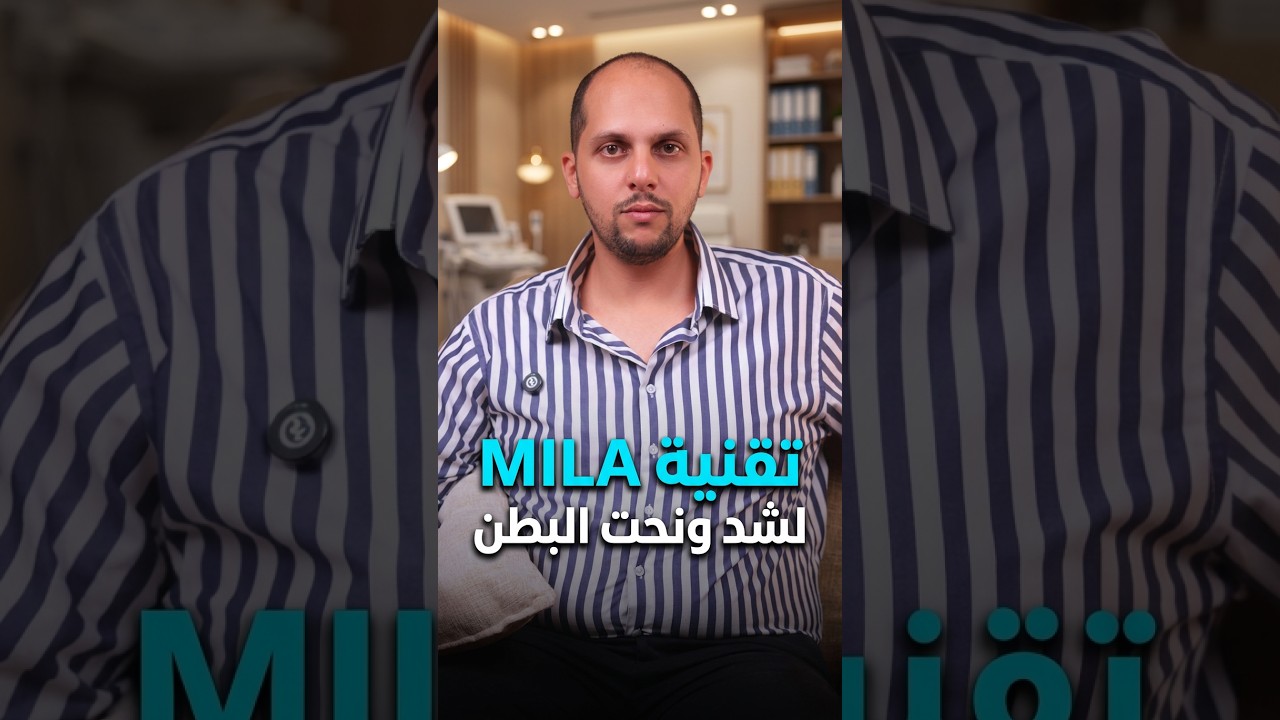
الميلا (MILA) لعلاج الانفصال العضلي وتنسيق القوام | MILA: Minimally Invasive Lipoabdominoplasty for Rectus Diastasis and Body Contouring
عملية الميلا (MILA) هي نفس فكرة الإصلاح من جروح البكيني (SCOLA)، مع إضافة شفط الدهون وشد جزء من الجلد. د. محمد حسام زيدان بيشرح إن الجراح بيستعمل نفس جروح البكيني عشان يشد جدار البطن ويصلّح الانفصال العضلي (Rectus diastasis)، ولو فيه فتق بيصلّحه، وبعدها جراح التجميل بيعمل شفط الدهون وتنسيق القوام. والمريض المناسب ليها كتلة جسمه (BMI) أقل من 28 وما عندوش ترهلات زيادة في الجلد، وعشان كده تعتبر العملية تجميلية أكتر. | MILA follows the same principle as repair through bikini-line incisions (SCOLA), with liposuction and some skin tightening added. Dr. Mohamed H. Zidan explains that the surgeon uses the same bikini incisions to tighten the abdominal wall and repair the rectus diastasis, and any hernia, before the plastic surgeon performs liposuction and body contouring. The right candidate has a BMI below 28 and no significant excess skin, which makes MILA the more cosmetic option.
الحموضة المستمرة وارتجاع المريء: هل السبب فتق الحجاب الحاجز؟ | Persistent Heartburn and Reflux: Could It Be a Hiatal Hernia?
الحموضة وارتجاع المريء اللي بيستمروا رغم الالتزام بالعلاج ممكن يكونوا علامة على فتق الحجاب الحاجز (Hiatal Hernia). د. محمد حسام زيدان بيشرح إن الحجاب الحاجز فيه فتحة بيعدّي منها المريء، ولو الفتحة دي وسعت، جزء من المعدة بيطلع لتجويف الصدر ويضعف الصمام اللي بيمنع رجوع الحمض للمريء. وعشان كده أدوية الحموضة لوحدها مش بتعالج السبب الأساسي، وإصلاح الفتق بالمنظار بيرجّع المعدة لمكانها ويقفل الفتحة، والتشخيص التشريحي الصح هو أول خطوة في العلاج. | Heartburn and acid reflux that continue despite medication can be a sign of a hiatal hernia. Dr. Mohamed H. Zidan explains that the esophagus passes through an opening in the diaphragm; when that opening widens, part of the stomach slides up into the chest and weakens the valve that keeps acid out of the esophagus. Reflux medication alone does not treat this underlying cause. Laparoscopic repair returns the stomach to its place and closes the opening, and an accurate anatomical diagnosis is the first step to the right treatment.

فلسفة الجروح المخفية: جراحات خط البكيني بالمنظار | The Hidden-Scar Philosophy: Laparoscopic Bikini-Line Surgery
جراحات خط البكيني (Bikini-line surgery) بتخلّي جروح العملية تحت خط البكيني أو في ثنايا الجلد الطبيعية بدل جرح واضح على البطن. د. محمد حسام زيدان بيشرح «فلسفة الجروح المخفية»: إننا نعالج المشكلة الجراحية الأساسية ونهتم بنفس الدرجة بالشكل الجمالي بعد العملية، وبيدّي أمثلة زي استئصال المرارة بالمنظار وإصلاح الفتق السُري، اللي ممكن جروحهم تتخبّى بالطريقة دي. | Bikini-line surgery places the incisions below the bikini line or in the natural folds of the skin instead of leaving a visible scar on the abdomen. Dr. Mohamed H. Zidan explains his hidden-scar philosophy: treat the underlying surgical problem while giving the cosmetic result the same attention. He gives laparoscopic gallbladder removal and umbilical hernia repair as examples of operations whose incisions can be hidden this way.

الفرق بين شد البطن وتقنية الميلا (MILA) | Abdominoplasty vs. the MILA Technique: What's the Difference?
تقنية الميلا (MILA) مش عملية شد بطن تقليدية (Abdominoplasty): مفيهاش استئصال للجلد، وبتجمع بين إصلاح الانفصال العضلي بالمنظار وشفط الدهون. د. محمد حسام زيدان بيصحّح الفكرة الغلط المنتشرة عنها، وبيوضح إنها بتناسب حالات معينة حسب كتلة الجسم، وإنها بتعتمد على تخصصين: جراح جدار البطن بيصلّح الانفصال العضلي والفتق بالمنظار من جوه، وجراح التجميل بيعمل شفط الدهون وتنسيق القوام من بره. والهدف عضلات بترجع لكفاءتها وشكل متناسق من غير جروح كبيرة. | The MILA technique is not a traditional tummy tuck (abdominoplasty): no skin is removed, and it combines laparoscopic repair of muscle separation with liposuction. Dr. Mohamed H. Zidan corrects this common misconception and explains that MILA suits selected patients depending on body mass. It brings two specialties together: an abdominal wall surgeon repairs the diastasis recti and any hernia laparoscopically from the inside, and a plastic surgeon performs liposuction and body contouring from the outside. The aim is restored muscle function and a balanced shape without large incisions.

ارتجاع المريء: أسبابه وعلاقته بفتق الحجاب الحاجز | Acid Reflux: Causes and the Link to Hiatal Hernia
ارتجاع المريء (GERD) من أكتر الشكاوى في عيادات جراحة الجهاز الهضمي، وأهم أسبابه فتق الحجاب الحاجز (Hiatal Hernia). د. محمد حسام زيدان بيشرح إن الحجاب الحاجز هو العضلة اللي بتفصل الصدر عن البطن، ولو ضعف، أعضاء من البطن ممكن تطلع للصدر. وبيشير إن ده بيظهر أكتر بعد نزول الوزن السريع بعد جراحات السمنة أو مع أدوية زي Mounjaro وSaxenda، وبيعرض طرق العلاج زي Nissen fundoplication مع إصلاح الفتق أو تحويل المسار حسب وزن المريض، وبينصح أي حد عنده ارتجاع يكشف عند الجراح. | Gastroesophageal reflux disease (GERD) is one of the most common complaints in digestive surgery clinics, and a hiatal hernia is among its most important causes. Dr. Mohamed H. Zidan explains that the diaphragm is the muscle separating the chest from the abdomen; when it weakens, abdominal organs can slide up into the chest. He notes this is seen more often after rapid weight loss following bariatric surgery or with medications such as Mounjaro and Saxenda. He outlines treatment options, including Nissen fundoplication with hernia repair or gastric bypass depending on the patient's weight, and advises anyone with reflux to see a surgeon.

حصوات المرارة بعد النزول السريع في الوزن | Gallstones After Rapid Weight Loss
حصوات المرارة (Gallstones) بتظهر عند حوالي 30% من المرضى بعد النزول السريع في الوزن بعد جراحات السمنة، وأدوية زي Mounjaro وSaxenda كمان بتزيد احتمال حدوثها. د. محمد حسام زيدان بيوضح إن أي ألم في البطن بعد نزول وزن سريع لازم يخلّينا نفكّر في المرارة، وإن السونار على البطن هو الخطوة الأولى للتأكد من وجود حصوات، وبعدها الجراح بيحدد إذا كانت المرارة محتاجة تتشال ولا لأ. | Gallstones develop in around 30% of patients after rapid weight loss following bariatric surgery such as sleeve gastrectomy and gastric bypass, and medications such as Mounjaro and Saxenda also increase the risk. Dr. Mohamed H. Zidan explains that abdominal pain after rapid weight loss should always raise the possibility of gallstones, that an abdominal ultrasound is the first step to confirm them, and that the surgeon then decides whether the gallbladder needs to be removed.
ألم شديد في البطن بعد الفطار في رمضان: الصيام ولا طريقة الفطار؟ | Severe Abdominal Pain After Iftar: Is It Fasting or How You Break Your Fast?
ألم البطن الشديد بعد الفطار في رمضان غالبًا مش سببه الصيام نفسه، لكن الجفاف والفطار التقيل مرة واحدة. د. محمد حسام زيدان بيشرح إن الجفاف والدهون ممكن يزوّدوا نوبات مغص المرارة عند اللي عندهم حصوات (Gallstones)، وممكن تتطور لالتهاب شديد في المرارة أو القنوات المرارية، وده لوحظ إنه بيزيد في رمضان. ولو الألم بيتكرر بعد الأكل، رمضان فرصة لتقييم الحالة وقرار استئصال المرارة بالمنظار بدل ما تتحول لطوارئ. وبيحذّر إن الألم الشديد المستمر مع القيء ممكن يكون قرحة منفجرة، ودي حالة طارئة فورًا. | Severe abdominal pain after iftar is usually caused not by fasting itself but by dehydration and a heavy meal all at once. Dr. Mohamed H. Zidan explains that in people with gallstones, dehydration and fatty food can trigger attacks of biliary colic that may progress to severe inflammation of the gallbladder or bile ducts, something studies have noted increases during Ramadan. If pain keeps coming back after meals, Ramadan is a good time to assess the gallbladder and plan laparoscopic removal before it becomes an emergency. He warns that severe, persistent pain with ongoing vomiting may be a perforated ulcer, which needs emergency care immediately.

عملية الميلا (MILA): شفط الدهون وشد عضلات البطن بالمنظار | MILA: Liposuction and Laparoscopic Muscle Tightening
عملية الميلا (MILA) بتجمع بين شفط دهون البطن وشد عضلات البطن بالمنظار في عملية واحدة، من 3 لـ 4 جروح صغيرة على خط البكيني. د. محمد حسام زيدان بيشرح خطواتها: جراح التجميل بيبدأ بشفط الدهون بجهاز الفيزر (VASER)، وبعدها فريق جراحة جدار البطن بيشد العضلات بالمنظار من نفس الفتحات، وأكبرها حوالي 1.5 سم. ومن المميزات اللي بيذكرها: ألم أقل، تعافي وخروج أسرع من المستشفى، ونسبة أقل لالتهاب الجرح. | MILA (minimally invasive lipoabdominoplasty) combines abdominal liposuction and laparoscopic tightening of the abdominal muscles in a single operation, through three to four small bikini-line incisions. Dr. Mohamed H. Zidan explains the steps: a plastic surgeon first performs VASER liposuction, then the abdominal wall team tightens the muscles laparoscopically through the same incisions, the largest about 1.5 cm. The advantages he lists are less pain, a faster recovery and hospital discharge, and a lower rate of wound infection.

استئصال المرارة بالمنظار من جروح البكيني | Bikini-Line Laparoscopic Cholecystectomy
استئصال المرارة بالمنظار من جروح البكيني (Bikini-line cholecystectomy) هو نفس عملية المرارة بالمنظار التقليدية، بس الفتحات بتتعمل على خط البكيني عشان الجروح تبقى مخفية. د. محمد حسام زيدان بيجاوب على سؤال بيتسأل كتير في العيادة، وبيوضح إن مشاكل المرارة منتشرة بين الستات في سن صغير وسن الإنجاب، وإن العملية بتتعمل بنفس الخطوات والوقت تقريبًا، وإن وسائل تقليل الألم زي الـ TAP block والـ Paragastric block ممكن تُستخدم معاها. | Bikini-line cholecystectomy is the same standard laparoscopic gallbladder removal, with the incisions placed along the bikini line so the scars stay hidden. Dr. Mohamed H. Zidan answers a question he hears often in clinic. He explains that gallbladder disease is common in young women of childbearing age, that the operation follows the same steps and takes about the same time as the standard approach, and that pain-reducing techniques such as a TAP block or a paragastric block can also be used.
إيه الجديد فعلًا في جراحات الفتق والجهاز الهضمي؟ | What's Really New in Hernia and GI Surgery?
وسط كمية المعلومات على السوشيال ميديا عن الجديد في جراحات المرارة والفتق والجهاز الهضمي، الجديد الحقيقي ساعات بيتوه. د. محمد حسام زيدان، استشاري جراحات الجهاز الهضمي والسمنة وجدار البطن والفتق، بيقدّم نفسه وبيوضح إن جراحات المنظار بقت هي الأساس في جراحات الفتق والمرارة والجهاز الهضمي، وإن هدفه يوصّل لك أحدث طرق الجراحة اللي بتقلل الألم وبتحسّن النتايج بأقل تدخل ممكن. | With so much on social media about new gallbladder, hernia and digestive surgery, what is really new can get lost. Dr. Mohamed H. Zidan, consultant in digestive, bariatric, abdominal wall and hernia surgery, introduces himself and explains that laparoscopic surgery is now the standard for hernia, gallbladder and digestive operations, and that his aim is to share the latest surgical techniques that reduce pain and improve results with the least invasive approach possible.